
How to Search Pratt County Property Records
Pick the starting point from what you already have. An address fits the Appraiser data and ORKA geography. A name belongs in the recorder's party index. A parcel number ties appraisal, tax, and map sources together, while a legal description opens older deeds and plats.
Treat each result as a lead. Assessment names can lag behind a recorded deed, indexes may omit unrecorded interests, and a GIS line never replaces a surveyed boundary.
- Normalize the address and ask the Appraiser for the parcel record.
- Record the identifier, legal description, owner field, valuation year, and source date.
- Search the owner in CIC and inspect the latest vesting deed.
- Check valuation, levy, bill, and payment with the responsible office.
- Use ORKA for geography, then order the official deed, plat, or other copy.
Where Pratt County Keeps Property Records
Pratt County's records live at the courthouse, 300 South Ninnescah. Each office owns one piece. The Register of Deeds records land instruments, the Appraiser sets characteristics and value, the Treasurer handles bills and delinquency, and the Clerk supplies rolls, levies, districts, transfers, maps, and special-assessment context.
Pratt County Register of Deeds
300 S Ninnescah, PO Box 873
Pratt, KS 67124
620-672-4140
CIC Opens the Pratt County Deed Index
Paid short-term or subscriber access opens the CIC hosted search. Try both grantor and grantee spellings. Save instrument type, date, and recording reference. The earliest online year is not published. So a first hit is not always the first deed. When the index runs dry, the recorder counter copies records by phone, mail, email, and fax. Current costs are listed on the county fee page.
Pratt Appraisals Use a January 1 Snapshot
Pratt County appraisals rest on a January 1 valuation date. The Appraiser's office estimates fair market value at that moment each year. It mails annual notices, more than 14,000 of them. Physical inspections rotate on a six-year cycle. A value can shift even when no sale occurs. Improvements, changes in use, and broader market evidence all feed the appraisal. For deeper digging, the county comparable-sales report may list living area, room count, HVAC, basement details, condition, garages, sale date and price, adjusted sale amounts, and prior or indexed values. Those fields help with appraisal review. They do not guarantee a parcel's present condition.
ORKA Maps Pratt Parcels in Context
Kansas ORKA maps the whole state. Address points, subdivisions, lots and blocks, roads, city limits, and county boundaries help turn an address into a parcel or a description clue.
City of Pratt mapping adds utility, easement, aerial, and flood detail. Its planning jurisdiction can extend three miles out. So near the city edge, both maps can matter.
Note: A web-map line is reference geography, not a legal survey.
Types of Pratt County Property Records
No single file holds everything. Pratt County property records work as a linked system, so pick the source that answers the question, then reconcile parcel identifiers and dates across offices.
| Record Type | What It Documents | Kept By | Access |
|---|---|---|---|
| Deeds and releases | Transfers and encumbrances | Register of Deeds | CIC, counter, copy request |
| Appraisal | Characteristics and value | Appraiser | Direct office request |
| Tax | Levies, bill, and delinquency | Clerk / Treasurer | Office and Kansas.gov |
| Plats and parcels | Lot/block and geography | Recorder / ORKA | Recorded copy and GIS |
| Permits and zoning | Regulatory actions | City or county | Maps, archives, request |
For ownership history, start with Pratt County deed records; for value and billing, turn to property tax records; for geography, open the parcel maps. Each page keeps its own tools.
Three Offices Build One Pratt Tax Answer
The Appraiser sets the value. The Clerk keeps transfers, levy sheets, districts, and special assessments. The Treasurer holds the balances. The Kansas payment service asks for statement details. It hides county fields until you pick Pratt. Route a value question to the Appraiser, a levy question to the Clerk, and a balance question to the Treasurer. Market value, assessed value, and tax due are not the same thing.
Appeal Value Before the Bill Arrives
A valuation appeal must be filed within 30 days after the notice is mailed. The clock starts early. Photographs, measurements, and repair facts all count. Pratt typically compares five sales and adjusts for differences. Waiting for the tax bill can mean missing the appeal, so begin with the Appraiser's informal hearing and check the state calendar and county forms.
A Tax Notice Is Not an Owner Change
The delinquency guidance describes referral after three years plus newspaper publication. A tax notice is a lead, not a deed. Trace the court judgment. Then check the sale and confirmation. Locate the recorded sheriff's deed or a later conveyance. Kansas CaseSearch offers a statewide docket lead, and the courthouse terminal is the offline fallback.
Historic Pratt Searches Need Place Names
Addresses can change. Additions, blocks, lots, and survey descriptions persist. A 2025 Pratt rezoning used portions of Lots 5 and 6 in Block 14, and a Frisco Addition disposition involved vacated streets. Such language can unlock a failed address search. The Kansas Historical Society archives, Pratt Public Library, and the local museum add names and context, but the recorder's books and plats remain the official land trail.
KORA Is the Offline Records Route
The county KORA procedure covers what portals skip. Give the custodian, parcel, description, record type, and dates. Ask for an existing record, not a fresh title opinion. The county promises a response or a status explanation within three business days. Fees and exemptions may apply. The Appraiser publishes no public parcel-card link, so call that office directly.
Pratt Recording Rules Protect the Index
Pratt County's recording requirements set a clear bar before any instrument enters the property records. The paper must carry original signatures. It needs acknowledgment, a sufficient legal description, and the correct fee. A sales-validation questionnaire or a supported exemption may also ride along with a transfer. That is why a privately signed document is not automatically a Pratt County property record. The rules also double as a checklist. Use it whenever an expected conveyance fails to appear in the index.
Once the recorder accepts an instrument, note its date and locator. Compare party names against the assessment roll. Match the legal description to the plat map and the prior deed. Recording gives notice and creates a durable public reference. Yet it never guarantees that every claim inside the document holds up.
Estate and Court Transfers Follow Two Trails
Ownership sometimes changes for reasons a deed alone will not reveal. A probate order, divorce judgment, foreclosure case, or quiet-title action can explain the shift, but the land record still has to be checked. Start with CaseSearch or the Pratt courthouse terminal for the docket and orders. Then hunt for the deed, affidavit, sheriff's deed, or other instrument recorded afterward.
Kansas vital certificates are restricted. They are issued only on a qualifying basis, which can include certain direct property interests. A death certificate by itself shows nothing about how land passed. The probate file answers one question and the recorded transfer answers another, and an estate name on the roll may demand both.
Business Owners Require an Entity Check
A company on a deed or the tax roll calls for one extra step. Search the Kansas Business Entity database by entity name or SOS identification number. Record the exact legal name and status. Do this before going back to the recorder index. Resist the urge to merge look-alike trade names or individual names into one owner.
The entity filing identifies the organization behind a land record. It does not prove an officer personally owns the real estate. It does not prove that for a registered agent either. The deed still controls who the grantee is. Later deeds, mergers, assignments, or court records can bend that trail again.
Pratt Records Need Source and Date Labels
Good research habits keep Pratt County property records from blending together. A reliable worksheet gives one row per source. Each row notes the address as searched, parcel number, legal description, owner or party name, office, record date, access date, and document reference. This simple discipline stops a newer tax field from clinging to an older deed. It also keeps a municipal map from masquerading as a county assessment record.
Where the county publishes no refresh interval, say so plainly. Pratt County states no fixed lag between deed recording and the tax roll. It publishes no earliest online year for CIC. No official public parcel-card search URL is exposed. These are access limits to work around through custodians. They are not blanks to paper over with assumptions.
Limits of Pratt County Property Records
Pratt County property records can answer many questions well. A search may identify the roll owner or the recorded grantee. It can return a legal description, an appraisal, a tax status, a lien, or a plat. It can also return a case. But the records have firm limits. They cannot guarantee title. They cannot reveal every unrecorded interest, place a boundary on the ground, or promise a sale price. Whatever the source, keep its date with the answer.
Kansas privacy rules shape what is available. Safe at Home protects substitute addresses. Restricted vital records require a qualifying basis, and KORA does not authorize harassment or prohibited list uses. Coverage has limits too. CIC's earliest Pratt County year is not published. The landing page does not expose the complete local search form. A first online deed may simply be the first indexed result, not the start of the chain. Counter inspection, mail, email, fax, and phone copy requests remain part of any deed search. Historic archives and library material offer clues. But no complete public scan set of Pratt deed books or plats exists.
Assessment records carry their own gaps. The county publishes no official public parcel-card search URL and no exact owner-field label. Ask the Appraiser for the parcel, the owner or taxpayer field, mailing and situs addresses, and characteristics. Ask also for the value year and comparable-sales information. The Clerk handles roll transfers and taxing context. Pratt County publishes no standard deed-to-roll delay. For that reason, show the assessment name and the newest recorded grantee as separate source-and-date pairs.
Value figures answer defined questions only. The Appraiser's fair market value is a January 1 estimate. It rests on annual study and a six-year inspection cycle. Assessed value applies Kansas classification ratios. A sale price reflects one transaction. An adjusted comparable reflects analytical changes for differences between properties. None guarantees a future price. The county's state ratio-study figures describe mass-appraisal performance. They cannot be applied to one parcel as a discount.
Tax status is equally time-sensitive. The Appraiser determines value. The Clerk handles levy sheets, districts, and special assessments. The Treasurer holds the balance and delinquency picture. A Kansas.gov payment screen needs county selection and tax-statement information. Yet it is not the whole parcel record. A foreclosure notice identifies a stage. It may list a taxpayer, parcel, amount, and description. It does not prove a completed sale or a new owner. Follow the court case, judgment, confirmation, and recorded disposition instead.
Map records serve orientation. ORKA and the KGS layers show address points, subdivisions, lots and blocks, roads, and city and county boundaries. City of Pratt mapping adds utility, easement, aerial, GPS, and flood context. These layers refresh separately. They do not place a legal boundary on the ground. Stronger boundary questions call for a recorded plat, a deed description, and a professional survey. That is especially true around replats, partial tracts, vacated streets, and the city's three-mile planning area.
Court and estate records need the same discipline. Kansas CaseSearch supplies a docket lead. The courthouse terminal can expose public material unavailable online. A probate order, divorce judgment, quiet-title ruling, or foreclosure judgment may explain a transfer. Still, check the recorder file for the deed, affidavit, sheriff's deed, release, or later conveyance. Restricted KDHE vital certificates do not themselves transfer property.
Entity records explain names without changing the land evidence. The Kansas Secretary of State search can distinguish corporations and limited-liability companies. An officer or registered agent is not automatically the parcel owner. Preserve the entity, trustee, estate, or fiduciary name exactly as filed. Return to the deed for vesting. Resolve similar names, initials, mergers, and assignments rather than merging them.
A sound final worksheet identifies the address as searched, the parcel number, and the legal description. It also names the owner or party. It records the office, record date, access date, instrument reference, value year, and any unresolved gap. That structure lets another reader reproduce the work after an update. It also keeps a public-record lookup in its proper role. Pratt County property records support purchase diligence, boundaries, easements, appraisal review, estate research, house history, and civic transparency. They do not replace a title examination, survey, appraisal, or legal judgment. The county-linked CIC entry below shows the remote starting point for Pratt County deed records.
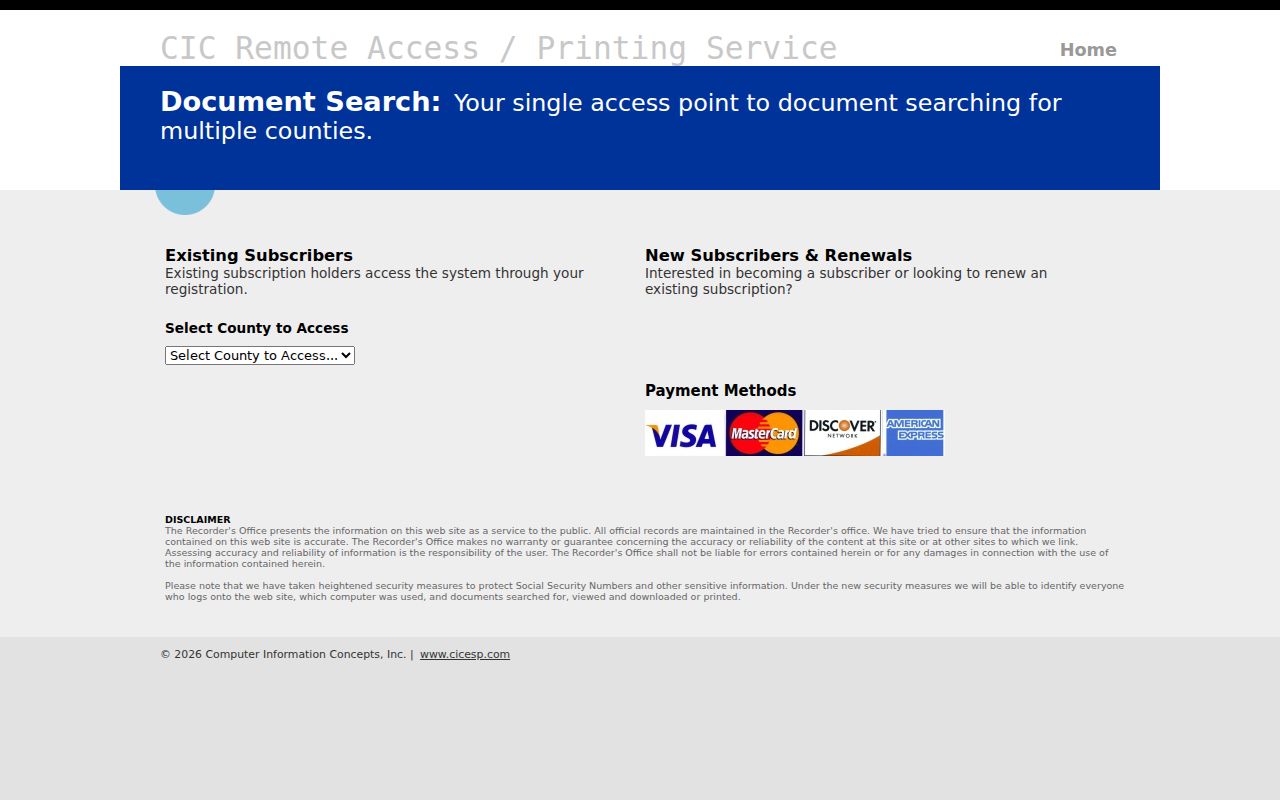
The screen confirms the hosted route. The county counter remains necessary for unknown coverage limits and complete historical work. The Pratt County appraisal page below supplies the local annual-notice and inspection framework.
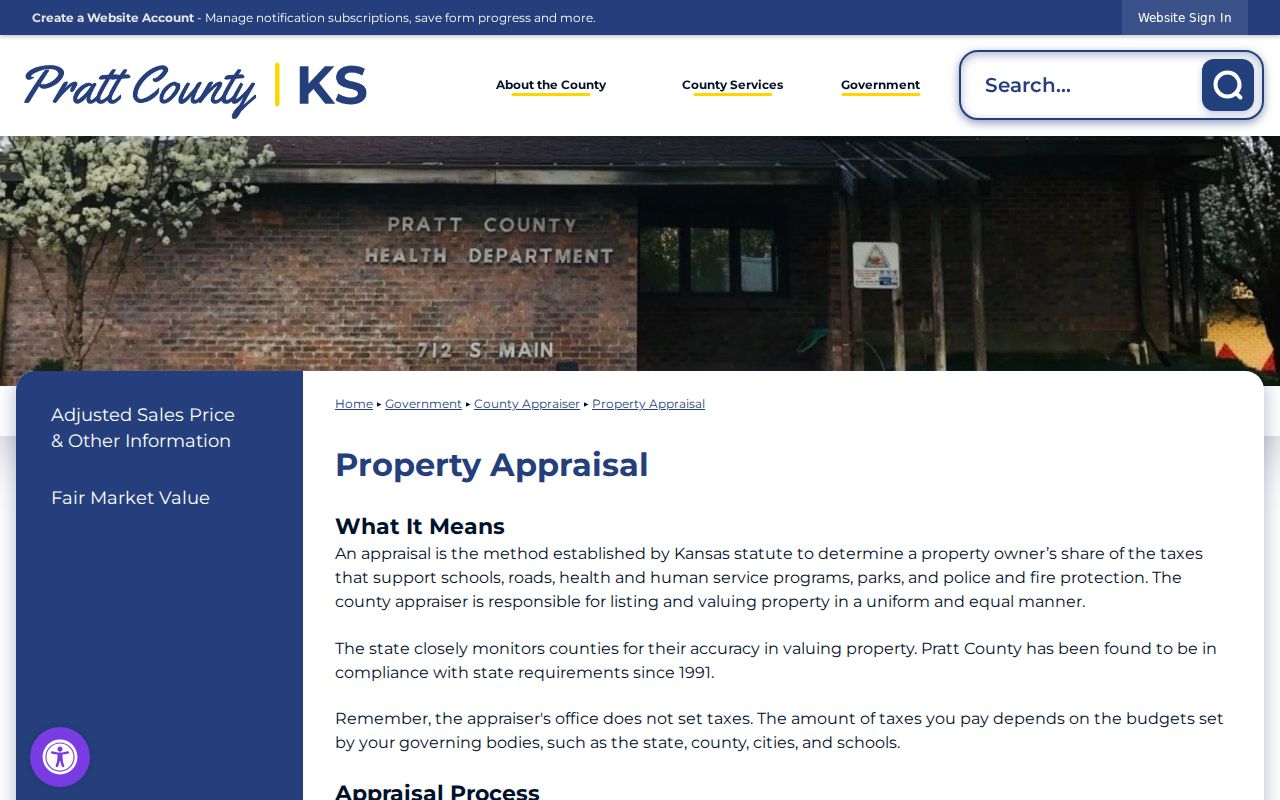
Use that source to date an assessment result. Request the parcel-specific data the public county page does not display. Finally, distinguish absence from nonexistence. A failed web query may reflect spelling, coverage, payment gating, or a renamed addition. It may also mean an offline volume, or a record held by another custodian. Save every attempted key and channel. Then ask the office for the next index, book, plat, roll, or file. That should cover the missing period. Record the staff response, copy fee, requested date range, and any reference supplied. Another person can then reproduce the search. This method makes Pratt County property records useful. Even a single portal cannot supply a complete answer.
Lawful use. Pratt County property records support due diligence and civic transparency. They do not replace a title examination or survey, and owner information must never be used to harass or harm.