
Build a Pratt County Former-Owner Timeline
Start the ledger with the current vesting deed for the parcel. Then add one row for every earlier conveyance of that same land in Pratt County.
| Transfer Date | Grantor to Grantee | Deed Type | Book/Page or Instrument |
|---|---|---|---|
| Newest first | Prior owner to current grantee | As indexed | Exact reproducible reference |
| Earlier acquisition | Earlier grantor to prior owner | Warranty, quitclaim, fiduciary, sheriff's, or other deed | Reference copied from deed |
| Continue backward | Repeat with exact name variants | Keep mortgages and releases separate | Match the legal description |
Keep execution and recording dates in separate columns. A lease, lien, mortgage, or release may fill out the file, yet none of them counts as a transfer of ownership.
Walk the Pratt County Deed Chain Backward
The CIC recorder entry starts the remote chain. It is a paid service. Its earliest online year is unpublished, so the Register of Deeds counter remains the safest route for a complete Pratt County deed chain.
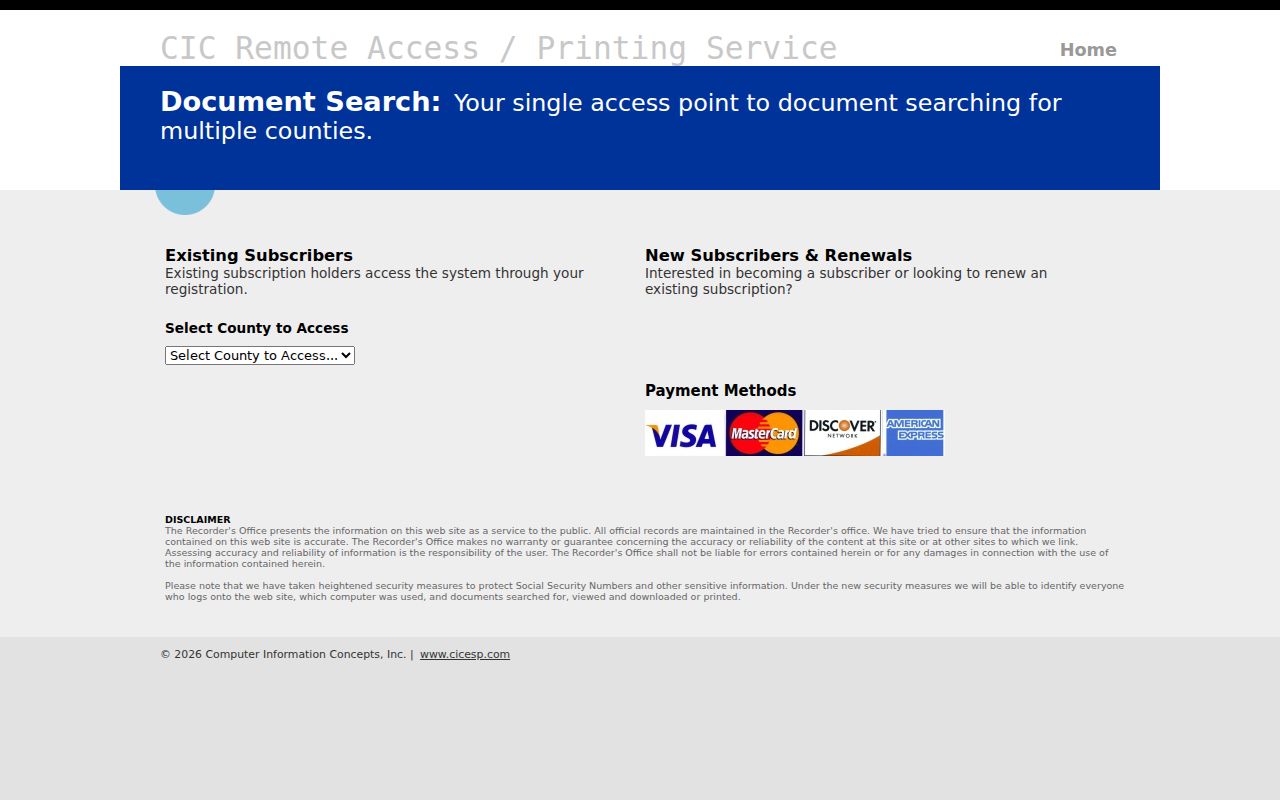
The CIC landing page lists Pratt among the selectable counties. It does not display the local cutoff year or full grantor-grantee search controls.
- Find the current grantee's acquisition deed and copy its legal description.
- Record the grantor exactly, including initials, trustee status, and entity suffix.
- Search that grantor as an earlier grantee and verify the same land.
- Repeat, noting partial tracts, corrections, probate, and court references.
- Continue at the counter or in deed books when CIC coverage ends.
- Grantor / grantee
- The conveying party and party receiving the stated interest.
- Chain of title
- The ordered sequence of instruments tied to the same land.
- Legal description
- The durable match key when street addresses or lot shapes changed.
Match Pratt County Additions Across Time
Formal land descriptions often outlive a street name or number. Pratt County notices preserve Summit Addition, Hoppers Resurvey, Simpson's Second Addition, Walker Addition, Fairmount Addition, Cogswell Addition, and Frisco Addition. Store the old spelling with the new address. Replats and lot splits can complicate things. Partial tracts and vacated rights-of-way can too. Two records may look unrelated until the plat is checked.
The Frisco Addition disposition notice is a standout. It names vacated streets. Check the plat and vacation record before assuming today's block shape matches the older conveyance. Rural tracts may need section, township, range, or metes-and-bounds wording instead.
Bridge Pratt County Probate and Court Transfers
A deed chain can look finished when it is not. Land may have moved through an estate, divorce, foreclosure, or quiet-title action. Search Kansas CaseSearch for the party and case. Then inspect the Pratt courthouse file to locate the order, affidavit, sheriff's deed, or later conveyance in county recordings. A docket hit alone never adds a former owner.
KDHE death certificates are restricted and convey no land. Probate orders and recorded transfers hold the property evidence. A tax foreclosure notice works the same way. It only opens a trail through judgment, sale or confirmation, and a recorded disposition.
Note: Preserve fiduciary titles such as trustee or personal representative, because they explain why names change between linked instruments.
Use Pratt County Archives as Corroboration
The Kansas Historical Society archives lead this list. Its newspaper database, the Pratt County history bibliography, and the Pratt Public Library catalog help with spelling, business names, family links, and addresses. The library catalog lists Pratt Tribune material through NewsBank from 1999 to today.
A directory entry is not ownership. Old newspapers name people too. Both can list residents who never held the parcel. Pair every historical name with a deed, tax record, plat, or court instrument from the relevant year, since Pratt has no confirmed continuous directory run and no verified public scan set for its deed books.
Track Every Pratt County Transfer Field
A former-owner worksheet needs more than names. Copy the instrument number or book and page, execution date, recording date, grantor and grantee exactly as printed, the complete legal description, and any prior or following reference. Note a sales-validation exemption when one appears. The Kansas validation questionnaire stays closed.
Track mortgages, assignments, releases, liens, powers of attorney, oil and gas leases, and fixture filings in a notes column. They can explain an entity, trustee, agent, or mineral interest without proving a fee-title transfer. A release clears an encumbrance. It changes no ownership. It never creates a previous owner in the Pratt County chain.
Note: Execution and recording dates can differ, so retain both when ordering the former-owner timeline.
Resolve Pratt County Name Variants
Older Pratt County deeds may shorten a name, use initials, name a trust, or place land in a corporation or partnership. Search the exact grantor first, then plausible printed variants. When an entity appears, the Kansas business entity search can clarify its formal name and resident-agent trail. That listing does not establish land ownership.
Trustee, personal representative, sheriff, and attorney-in-fact labels matter. Copy the capacity with the name. Return to the recorded instrument to learn what interest moved, whether the whole parcel or only a partial tract. The legal description, not name resemblance, proves that two links concern the same land.
Read Pratt County History Carefully
Pratt County was established in 1867 and organized in 1879. Pratt itself was founded in 1884. The county seat moved from Iuka to Pratt. That is why an early civic reference or township name may not match modern geography, though none of it adds an owner to a chain.
Defunct township names like Banner, Carmi, Haynesville, Naron, Ninnescah, Paxon, Saratoga, and Springvale survive in deeds, newspapers, school files, and cemetery references. Treat each one as a historical search term. Translate it back to a section, township, range, addition, or recorded instrument. Only then link it to Pratt County former owners.
Request Older Pratt County Deeds
Once CIC stops turning up useful hits, go straight to the Register of Deeds. Bring the last party you confirmed, a rough date, and the legal description. Include any book or instrument reference too. Pratt County staff handle counter inspection and copy orders by mail, email, fax, and phone. Ask which years and indexes each route covers. The office publishes no official online cutoff.
A narrow KORA request is another option when normal access fails. Name the custodian and the specific record. Do not ask staff for a title opinion or an open-ended property history. The county brochure gives the custodian three business days to respond or explain a delay. Fees and exemptions apply.
Where Pratt County's Previous-Owner Trail Goes Offline
No official source states the earliest CIC year for Pratt County. No complete public scan set of deed books and plats is identified. Ask the recorder which years sit online. Then finish the trail at the counter. Copies flow through the office plus mail, email, fax, and phone. The Kansas Historical Society, its newspaper database, the Pratt history bibliography, and Pratt Public Library can all yield names and address history. But tie every lead back to a deed or court transfer before trusting it.
Addition names often carry the chain when street addresses fail. County notices mention Summit Addition, Hoppers Resurvey, Fairmount Addition, Cogswell Addition, and Frisco Addition. Frisco also involves vacated streets. Keep the historic spelling beside the modern address. Reconcile any replats, partial tracts, and vacation records along the way.
A clean deed sequence can break without warning. Probate, divorce, foreclosure, and quiet-title actions all interrupt it. Use Kansas CaseSearch as a docket lead, then inspect the courthouse file. Return to the recorder next. Ask there for the order, affidavit, sheriff's deed, or later conveyance that touched the land.
Coverage limit. Pratt County's earliest online deed-index year is unpublished. Continue through the recorder and deed books, and use former-owner research only for lawful property history and diligence.
Close the timeline only when every gap has a reason. A missing online image may simply mean the index predates the remote collection. A name gap might point to probate or a fiduciary deed. It could also signal an entity change or a partial conveyance. Compare the land wording at every step. If a deed transfers only part of the tract, follow both the retained and transferred pieces. Do so only when your question truly requires them.
Label archival clues as clues. A directory occupant, newspaper buyer, or tax-sale defendant is not automatically a former owner. The same goes for a mortgage borrower or business agent. Only the recorded conveyance with a matching legal description makes that link. For certified proof or a legal title conclusion, request the county record itself. Bring in qualified professional help rather than a reconstructed worksheet.